
Home
Biden to urge G-7 leaders to call out, compete with China
- Details
- Written by northsouth
- Category: Americas
- Hits: 1062
By JONATHAN LEMIRE, AAMER MADHANI and JILL LAWLESS
CARBIS BAY, England — The United States plans to push democratic allies on Saturday to publicly call out China for forced labor practices as the Group of Seven leaders gather at a summit where they will also unveil an infrastructure plan meant to compete with Beijing’s efforts in the developing world.
The provocative proposal is part of President Joe Biden’s escalating campaign to get fellow democratic leaders to present a more unified front to compete economically with China in the century ahead, according to two senior administration officials who briefed reporters on the condition of anonymity because they were not authorized to discuss the plans publicly.
The officials said Biden wanted G-7 leaders to speak out in a single voice against forced labor practices targeting Uyghur Muslims and other ethnic minorities. Biden hopes the denunciation will be part of the joint communique released at the summit’s end, but some European allies have been reluctant to so forcefully split with Beijing. It may not be clear until the three-day summit ends on Sunday whether the leaders will take that step.
The wealthy nations’ leaders were all smiles Friday as their host, British Prime Minister Boris Johnson, welcomed them to the summit on the freshly raked sand of Carbis Bay in southwest England for their first gathering since 2019.
Last year’s gathering was canceled because of COVID-19, and recovery from the pandemic is dominating this year’s discussions, with members of the wealthy democracies’ club expected to commit to sharing at least 1 billion vaccine shots with struggling countries.
China also loomed large over the meeting on the craggy coast of Cornwall. Biden’s proposed critique of China’s labor practices was to be raised as the allies unveil an infrastructure proposal dubbed “Build Back Better for the World,” a name echoing the American president’s campaign slogan.
The plan calls for spending hundreds of billions of dollars in collaboration with the private sector. It’s designed to compete with China’s trillion-dollar “Belt and Road Initiative,” which has launched a network of projects and maritime lanes that already snake around large portions of the world, primarily Asia and Africa. Critics say the projects often create massive debt and expose nations to undue influence by Beijing.
Britain also wants the world’s democracies to become less reliant on economic giant China. The U.K. government says Saturday’s discussions will tackle “how we can shape the global system to deliver for our people in support of our values,” including by diversifying supply chains that currently heavily depend on China.
Not every European power has viewed China in as harsh a light as Biden, who has painted the rivalry with the techno-security state as the defining competition for the 21st century. But there are some signs that Europe is willing to put greater scrutiny on Beijing.
Weeks before Biden took office last year, the European Commission announced it had come to terms with Beijing on the Comprehensive Agreement on Investment, a deal meant to provide Europe and China greater access to each other’s markets. The Biden administration had hoped to have consultations on the pact.
But the deal has been put on hold, and the European Union in March announced sanctions targeting four Chinese officials involved with human rights abuses in Xinjiang. Beijing responded by imposing sanctions on several members of the European Parliament and other Europeans critical of the Chinese Communist Party.
Biden administration officials see the moment as an opportunity to take concrete action to speak out against China’s reliance on forced labor as an “affront to human dignity.”
While calling out China in the communique wouldn’t create any immediate penalties for Beijing, one senior administration official said the action was meant to send a message that the G-7 was serious about defending human rights and working together to eradicate the use of forced labor.
An estimated 1 million people or more — most of them Uyghurs — have been confined in reeducation camps in China’s western Xinjiang region in recent years, according to researchers. Chinese authorities have been accused of imposing forced labor, systematic forced birth control, torture and separating children from incarcerated parents.
Beijing rejects allegations that it is committing crimes.
The leaders of the G-7 — which also includes Canada, France, Germany, Italy and Japan — also hope the meeting at the seaside resort will energize the global economy.
Johnson on Friday opened three days of talks by warning that world leaders must not repeat errors of the past 18 months — or those made during the recovery from the 2008 global financial crisis. If not, he said the pandemic “risks being a lasting scar” that entrenched inequalities.
He said the G-7 will announce health measures aimed at reducing the chances of another pandemic. The “Carbis Bay Declaration” will aim for a 100-day goal to develop vaccines, treatments and diagnostics for future diseases and to bolster surveillance for new illnesses.
Johnson said the goal of the measures was “to make sure that never again will we be caught unawares.”
Brexit will also cast a shadow on the summit Saturday, as Johnson meets separately with European leaders including German Chancellor Angela Merkel and French President Emmanuel Macron amid tensions over Britain’s implementation of U.K.-EU divorce terms.
Macron will also hold talks with Biden — a meeting between allies who recalibrated their relationship during the four years of President Donald Trump’s “America first” foreign policy.
Macron’s preference for multilateralism was out of step with Trump’s isolationist tendencies. But the Trump era was often framed by Macron as a clarifying moment — one in which Europe had to step forward as America drifted away from alliances and toward Trumpism.
Biden ends the trip Wednesday with summit in Geneva with Russia’s Vladimir Putin. The White House announced Saturday that the leaders will not hold a joint news conference after meeting, removing the opportunity for comparisons to the availability that followed Trump and Putin’s 2018 Helsinki summit in which Trump sided with Moscow over his own intelligence agencies.
Aides have suggested that the U.S. did not want to elevate Putin further by having the two men appear together in such a format. Others have expressed concern that Putin could try to score points on Biden, 78, who will be in the final hours of a grueling eight-day European trip.
Putin, in an interview with NBC News, portions of which aired Friday, said the U.S.-Russia relationship had “deteriorated to its lowest point in recent years.”
He added that while Trump was a “talented” and “colorful” person, Biden was a “career man” in politics, which has “some advantages, some disadvantages, but there will not be any impulse-based movements” by the U.S. president.
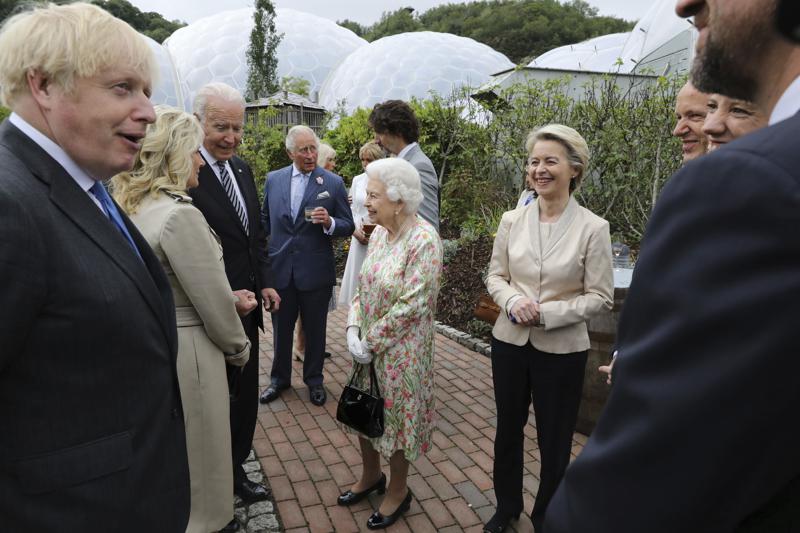
To cap the day Friday, Queen Elizabeth II — Britain’s biggest global star — traveled from Windsor Castle near London for a reception with the G-7 leaders and their spouses at the Eden Project, a futuristic botanical garden housed inside domes that features the world’s largest indoor rainforest.
Senior royals — including heir to the throne Prince Charles, his son Prince William and William’s wife, Kate — joined the leaders for the reception and a dinner of roasted turbot, Cornish new potatoes and greens with wild garlic pesto, cooked by a local chef.
The choice of an ecologically themed venue was deliberate. Climate change is also a top issue on the agenda, and hundreds of protesters gathered in Cornwall to urge the leaders to act, some dressed as sea creatures, including jellyfish. Demonstrators deployed a barge off the coast with two large inflatable figures depicting Biden and Johnson on board.
Colombian police cause deaths of 20 protesters
- Details
- Written by northsouth
- Category: Americas
- Hits: 1071
By ASTRID SUÁREZ
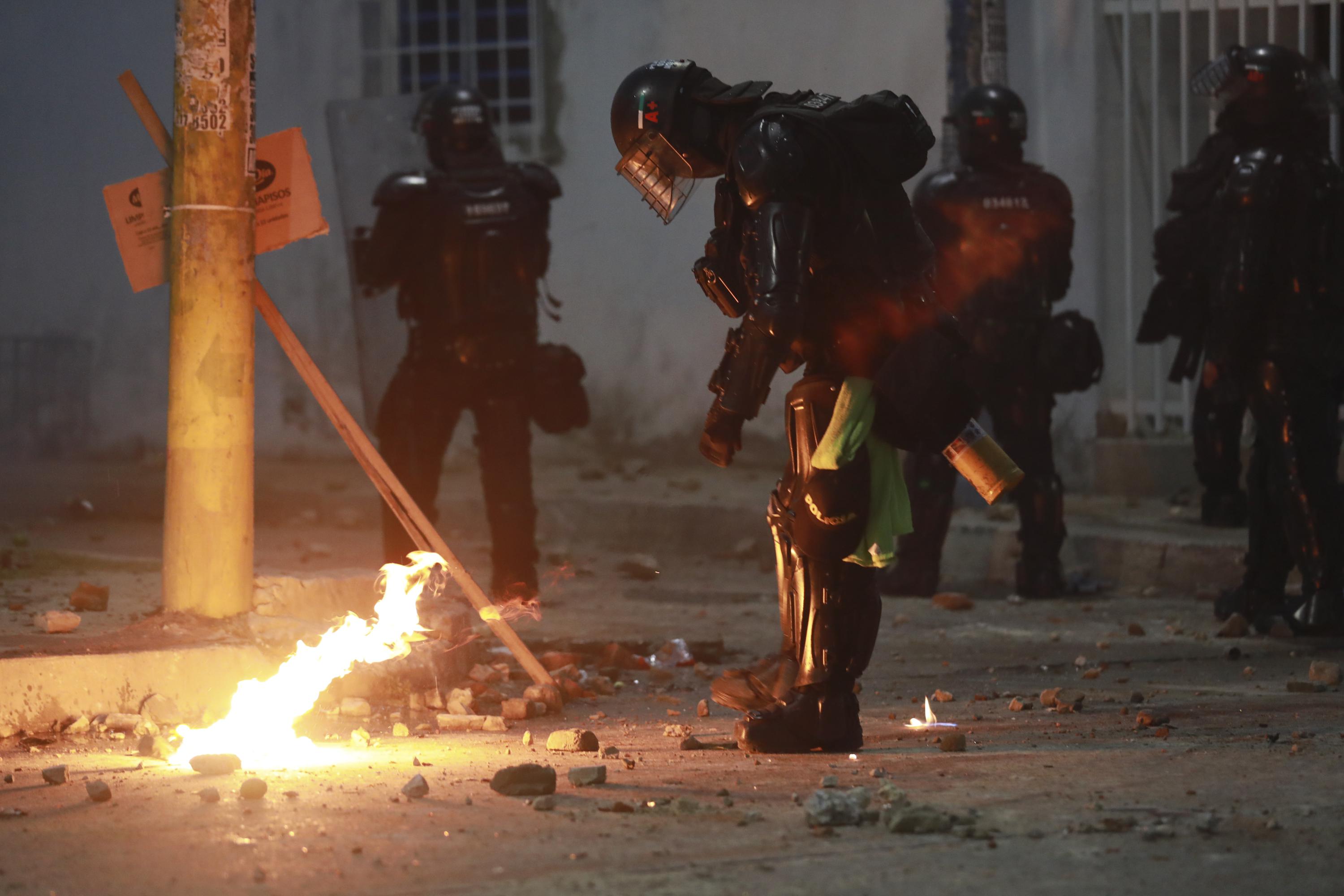
BUCARAMANGA, Colombia — An international monitoring group on Wednesday accused police officers in Colombia of responsibility for the deaths of 20 people and other violent actions against protesters during recent unrest, including sexual abuse, beatings and arbitrary detentions.
Human Rights Watch in a report said it has “credible evidence” indicating police killed at least 16 protesters or bystanders with “live ammunition fired from firearms,” while three other people died when police used nonlethal weapons. The report said another person died after being beaten repeatedly.
“These brutal abuses are not isolated incidents by rogue officers, but rather the result of systemic shortcomings of the Colombian police,” José Miguel Vivanco, the group’s director for the Americas, said in a statement. “Comprehensive reform that clearly separates the police from the military and ensures adequate oversight and accountability is needed to ensure that these violations don’t occur again.”
The report portrays more widespread violence than Colombian authorities have acknowledged. It says Human Rights Watch has received “credible information” of a total of 68 deaths during the protests, 34 of which it was able to confirm, including two police officers.
Colombia’s government has reported 18 deaths related to the protests and says an additional nine are under investigation. The country’s human rights ombudsman, meanwhile, reported late Monday that it had confirmed 58 deaths related to the protests.
Thousands of Colombians have turned out across the country for mostly peaceful protests against the administration of President Iván Duque. The protests started over proposed tax increases on public services, fuel, wages and pensions, but it has morphed into a general demand for the government to do more for the most vulnerable in society, such as Indigenous and Afro-Latino people.
The administration withdrew the tax proposal just days after the protests began, but the unrest has continued and grown as reports emerged of police violence, deaths and disappearances.
Human Rights Watch said its investigation into police response to the nationwide protests that began April 28 found that the majority of fatal victims suffered injuries to vital organs, including head and chest, which experts said “are consistent with being caused with the intent to kill.”
The report says that among those killed by police was Kevin Agudelo, who died during a demonstration May 3 in Cali, a city in southwestern Colombia that has been the epicenter of the protests. Witnesses said antiriot police fired flash-bang cartridges and teargas when demonstrators blocked cars at a traffic circle, prompting several demonstrators to throw rocks.
“One witness said he heard shots that sounded like live ammunition,” the report says. “He said that Agudelo, who had been hiding behind a post, then ran toward him along with another protester. The witness said he saw a police officer shoot Agudelo from a short distance. The other protester was also injured, he said. Human Rights Watch reviewed three videos that appear consistent with the witnesses’ accounts, in which Agudelo is seen lying next to the injured protester”
TA photo of his body showed wounds to the chest and arms, which the report said forensic experts concluded were consistent with being shot by live ammunition.
Authorities have been slow to investigate the reports of violence, and as of Saturday, only four people had been indicted in connection with two homicides that occurred during the protests. Of the 170 police officers under disciplinary investigation, only two have been suspended, according to Human Rights Watch. Official public data indicates most of these investigations are for abuse of authority and 13 are linked to deaths.
Police have also been accused gender-based and sexual violence. The Ombudsman’s Office, an agency in charge of protecting human rights, has reported 14 cases of sexual assault and 71 cases of gender-based violence, including physical and verbal assault.
Police have arrested more than 1,000 people for crimes allegedly committed during the protests, but hundreds of them were released for lack of evidence or due process violations.
The president has said all cases of police abuse will be investigated and duly punished. However, Duque has insisted that they are isolated cases.
“Colombia is not a country that violates human rights, we have difficulties, but we face them with justice,” presidential counselor for human rights, Nancy Patricia Gutiérrez, told reporters Tuesday.
Representatives of the Inter-American Commission on Human Rights were in Colombia investigating the alleged human rights violations.
During a news conference Wednesday, Vivanco characterized the U.S. government’s reaction to allegations of human rights violations in Colombia as ““disappointing.”
“Our impression is that current government officials are unwilling to issue comments or judgments and to condemn these events in clear terms as they would in other countries in the region simply because of the strategic alliance they have with Colombia and specifically with the police,” he said.
U.S. Secretary of State Anthony Blinken told lawmakers Monday that the Colombian government has to “assure people that they can express their opinion peacefully” and called on the police to respect this right.
In UK for first foreign trip, Biden to announce vaccine plan
- Details
- Written by northsouth
- Category: Americas
- Hits: 1095
By JONATHAN LEMIRE and AAMER MADHANI
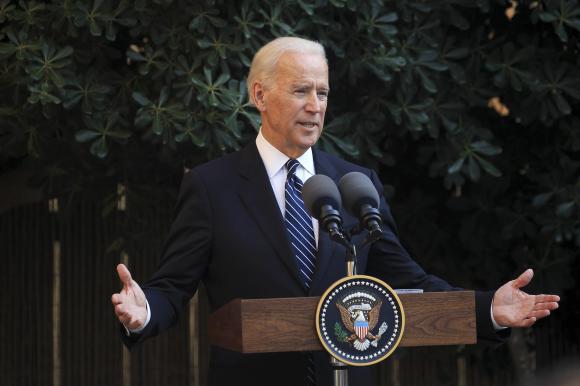
MILDENHALL, England — Embarking on the first overseas trip of his term, President Joe Biden is eager to reassert the United States on the world stage, steadying European allies deeply shaken by his predecessor and pushing democracy as the only bulwark to rising forces of authoritarianism.
Biden has set the stakes for his eight-day trip in sweeping terms, believing the West must publicly demonstrate it can compete economically with China as the world emerges from the coronavirus pandemic.
Shortly before arriving at Royal Air Force Mildenhall, where Biden was to speak to U.S. troops, people briefed on the matter confirmed that the Biden administration had brokered an agreement with Pfizer to purchase 500 million COVID-19 vaccine doses to be donated to 92 lower income countries and the African Union over the next year.
Two hundred million doses — enough to fully protect 100 million people — will be shared this year according to two people briefed on the matter, with the balance to be donated in the first half of 2022.
National security adviser Jake Sullivan told reporters Wednesday on Air Force One that Biden was committed to sharing vaccines because it was in the public health and strategic interests of the U.S. As Biden embarks on his first foreign trip, he is aiming to show “that democracies are the countries that can best deliver solutions for people everywhere.”
“As he said in his joint session (address), we were the ‘arsenal of democracy’ in World War II,” Sullivan said. “We’re going to be the ‘arsenal of vaccines’ over this next period to help end the pandemic.”
Before leaving Washington, Biden told reporters the trip is about making clear to the leaders of China and Russia that the United States and Europe “are tight.”
Building toward his trip-ending summit with Russian President Vladimir Putin, Biden will aim to reassure European capitals that the United States can once again be counted on as a dependable partner to thwart Moscow’s aggression both on their eastern front and their internet battlefields.
The trip will be far more about messaging than specific actions or deals. And the paramount priority for Biden is to convince the world that his Democratic administration is not just a fleeting deviation in the trajectory of an American foreign policy that many allies fear irrevocably drifted toward a more transactional outlook under former President Donald Trump.
“The trip, at its core, will advance the fundamental thrust of Joe Biden’s foreign policy,” said national security adviser Jake Sullivan, “to rally the world’s democracies to tackle the great challenges of our time.”
Biden’s to-do list is ambitious.
In their face-to-face sit-down in Geneva, Biden wants to privately pressure Putin to end myriad provocations, including cybersecurity attacks on American businesses by Russian-based hackers, the jailing of opposition leader Alexei Navalny and repeated overt and covert efforts by the Kremlin to interfere in U.S. elections.
Biden is also looking to rally allies on their COVID-19 response and to urge them to coalesce around a strategy to check emerging economic and national security competitor China even as the U.S. expresses concern about Europe’s economic links to Moscow. Biden also wants to nudge outlying allies, including Australia, to make more aggressive commitments to the worldwide effort to curb global warming.
The week-plus journey is a big moment for Biden, who traveled the world for decades as vice president and as chair of the Senate Foreign Relations Committee and will now step off Air Force One onto international soil as commander in chief. He will face world leaders still grappling with the virus and rattled by four years of Trump’s inward-looking foreign policy and moves that strained longtime alliances as the Republican former president made overtures to strongmen.
“In this moment of global uncertainty, as the world still grapples with a once-in-a-century pandemic,” Biden wrote in a Washington Post op-ed previewing his diplomatic efforts, “this trip is about realizing America’s renewed commitment to our allies and partners, and demonstrating the capacity of democracies to both meet the challenges and deter the threats of this new age.”
The president first travels to Britain for a summit of the Group of Seven leaders and then Brussels for a NATO summit and a meeting with the heads of the European Union. It comes at a moment when Europeans have diminished expectations for what they can expect of U.S. leadership on the foreign stage.
Central and Eastern Europeans are desperately hoping to bind the U.S. more tightly to their security. Germany is looking to see the U.S. troop presence maintained there so it doesn’t need to build up its own. France, meanwhile, has taken the tack that the U.S. can’t be trusted as it once was and that the European Union must pursue greater strategic autonomy going forward.
“I think the concern is real that the Trumpian tendencies in the U.S. could return full bore in the midterms or in the next presidential election,” said Alexander Vershbow, a former U.S. diplomat and once deputy secretary general of NATO.
The sequencing of the trip is deliberate: Biden consulting with Western European allies for much of a week as a show of unity before his summit with Putin.
His first stop late Wednesday will be an address to U.S. troops stationed in Britain, and the next day he sits down with British Prime Minster Boris Johnson. The two men will meet a day ahead of the G-7 summit to be held above the craggy cliffs of Cornwall overlooking the Atlantic Ocean.
The most tactile of politicians, Biden has grown frustrated by the diplomacy-via-Zoom dynamics of the pandemic and has relished the ability to again have face-to-face meetings that allow him to size up and connect with world leaders. While Biden himself is a veteran statesman, many of the world leaders he will see in England, including Johnson and French President Emmanuel Macron, took office after Biden left the vice presidency. Another, Germany’s Angela Merkel, will leave office later this year.
There are several potential areas of tension. On climate change, the U.S. is aiming to regain its credibility after Trump pulled the country back from the fight against global warming. Biden could also feel pressure on trade, an issue to which he’s yet to give much attention. And with the United States well supplied with COVID-19 vaccines yet struggling to persuade some of its own citizens to use it, leaders whose inoculation campaigns have been slower will surely pressure Biden to share more surplus around the globe.
Another central focus will be China. Biden and the other G-7 leaders will announce an infrastructure financing program for developing countries that is meant to compete directly with Beijing’s Belt-and-Road Initiative. But not every European power has viewed China in as harsh a light as Biden, who has painted the rivalry with the techno-security state as the defining competition for the 21st century.
The European Union has avoided taking as strong a stance on Beijing’s crackdown on Hong Kong’s democracy movement or treatment of Uyghur Muslims and other ethnic minorities in the western Xinjiang province as the Biden administration may like. But there are signs that Europe is willing to put greater scrutiny on Beijing.
The EU in March announced sanctions targeting four Chinese officials involved with human rights abuses in Xinjiang. Beijing, in turn, responded by imposing sanctions on several members of the European Parliament and other Europeans critical of the Chinese Communist Party.
Biden is also scheduled to meet with Turkish President Recep Tayyip Erdogan while in Brussels, a face-to-face meeting between two leaders who have had many fraught moments in their relationship over the years.
Biden waited until April to call Erdogan for the first time as president. In that call, he informed the Turkish leader that he would formally recognize that the systematic killings and deportations of hundreds of thousands of Armenians by Ottoman Empire forces in the early 20th century were “genocide” — using a term for the atrocities that his White House predecessors had avoided for decades over concerns of alienating Turkey.
The trip finale will be Biden’s meeting with Putin.
Biden has taken a very different approach to Russia than Trump’s friendly outreach. Their sole summit, held in July 2018 in Helsinki, was marked by Trump’s refusal to side with U.S. intelligence agencies over Putin’s denials of Russian interference in the election two years earlier.
Biden could well be challenged by unrest at home as Russia looks to exploit the Jan. 6 Capitol insurrection and the debate over voting rights to undermine the U.S. position as a global role model. The American president, in turn, is expected to push Russia to quell its global meddling.
“By and large, these are not meetings on outcomes, these are ‘get to know you again’ meetings for the U.S. and Europe,” said Richard Haass, president of the Council on Foreign Relations. “It’s about delivering a message to Putin, to reviving old alliances and to demonstrate again that the U.S. is back on the right course.”
US President's fiscal year 2022 defence budget
- Details
- Written by northsouth
- Category: Americas
- Hits: 1070
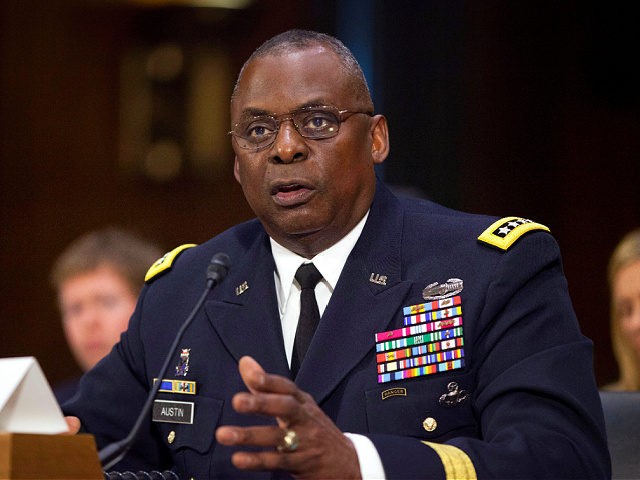
WASHINGTON - Statement by Secretary of Defense Lloyd J. Austin III on the President's Fiscal Year 2022 Budget
"As the Secretary of Defense, my chief priority is defending America from enemies foreign and domestic and ensuring our troops remain the world's preeminent fighting force. President Biden's FY 2022 Defense Budget meets this commitment with critical investments to help us match resources to strategy, strategy to policy, and policy to the will of the American people. The budget provides us the mix of capabilities we need most and stays true to our focus on the pacing challenge from the People's Republic of China, combating the damaging effects of climate change on our military installations, and modernizing our capabilities to meet the advanced threats of tomorrow. Importantly, this budget invests in our people, the brave women and men in uniform around the world who serve on behalf of this great nation." – Secretary of Defense Lloyd J. Austin III
The Biden-Harris Administration today submitted to Congress the President's Fiscal Year (FY) 2022 Budget request of $752.9 billion for national defense, $715 billion of which is for the Department of Defense (DOD). The FY 2022 Defense Budget submission reflects President Biden's priorities to end the "forever wars," invest in cutting-edge capabilities for our military and national security advantage in the future, and revitalize America's unmatched network of alliances and partnerships.
The United States military faces substantial challenges, emanating from countries like China and Russia, and from threats to global security, such as from climate change and the COVID-19 pandemic.
The budget addresses these challenges, and others, by making key investments that defend our nation, while innovating and modernizing, taking care of our warfighters, and building strong relationships with our allies and partners alongside other elements of national security.
The FY 2022 Defense Budget reflects the President's national security values and priorities. It is a strategy-based budget aligned with the President's Interim National Security Strategic Guidance, which emphasizes:
- A solemn obligation to protect the security of the American people.
- Enduring interest in expanding economic prosperity and opportunity.
- A commitment to realizing and defending the democratic values at the heart of the American way of life.
To meet these goals, the budget request:
- Takes a broader approach to national security to address threats such as climate change, Covid-19, and extremism.
- Makes smart and disciplined choices regarding our national defense, particularly by aligning our resources to evolving threats.
- Addresses strategic competition with China through calculated defense investments.
The FY 2022 President's Budget request of $715 billion when compared to the FY 2021 enacted amount of $703.7 billion, reflects a 1.6% increase. Importantly, the requested amount reflects a shift in resources to match priorities. For the Navy and Air Force, there are additional investments to address strategic competition with China. For the Army, the request reflects the President's decision to withdraw all U.S. troops from Afghanistan prior to the beginning of FY 2022.
For the first time since September 11, 2001, DOD direct war and enduring operation costs are included within the base budget request, rather than as a separate Overseas Contingency Operation (OCO) request.
The Department's FY 2022 Budget ensures that the Department will defend the nation, which includes funding for:
- COVID-19 and pandemic preparedness - over $500 million
- Pacific Deterrence Initiative - $5.1 billion
- Preparing for, adapting to and mitigating climate change - $617 million
The Department's FY 2022 Budget focuses innovation and modernization. Nuclear
Modernization ($27.7 billion). Investments include:
- B-21 Long Range Strike Bomber - $3 billion
- COLUMBIA Class Ballistic Missile Submarine - $5 billion
- Long-Range Stand-Off (LRSO) Missile - $609 million
- Ground Based Strategic Deterrent (GBSD) - $2.6 billion
Missile Defeat and Defense ($20.4 billion). Investments include:
- Sea-Based Interceptors (SM-3 IIA and SM-3 IB) - $647 million
- Sea-Based Ballistic Missile Defense System (AEGIS BMD) - $1 billion
- Ground-Based Midcourse (GMD) and Improved Homeland Defense/Next Generation Interceptors (NGI) - $1.7 billion
- Terminal High Altitude Area Defense (THAAD) Ballistic Missile Defense - $562 million
- Patriot Advanced Capability Missile Segment Enhancement - $777 million
Long Range Fires ($6.6 billion). Investments include:
- Includes funds to develop and field multi-Service, multi-domain offensive Long Range Fires
Science and Technology and Advanced Capability Enablers. Investments include:
- Largest ever RDT&E request - $112 billion
- Science and Technology - $14.7 billion
- Microelectronics - $2.3 billion
- Artificial Intelligence - $874 million
- 5G - $398 million
Lethal Air Forces ($52.4 billion). Investments include:
- 85 F-35 Joint Strike Fighters - $12 billion
- 14 KC-46 Tanker Replacements - $2.5 billion
- 9 CH-53K King Stallion - $1.7 billion
- 12 F-15EX - $1.5 billion
- 30 AH-64E Apache Attack Helicopters - $825 million
Combat Effective Naval Forces ($34.6 billion). Investments include:
COLUMBIA Class Ballistic Missile Submarine - $5 billion
CVN-78 FORD Class Aircraft Carrier - $2.9 billion
2 Virginia Class Submarines - $6.9 billion
1 DDG-51 Arleigh Burke Destroyer - $2.4 billion
1 Frigate (FFG(X)) - $1.3 billion
1 Fleet Replenishment Oiler (T-AO) - $853 million
Unmanned Surface Vessels (USV) (Large) - $203 million
2 Towing, Salvage, and Rescue Ships (T-ATS) - $184 million
1 Ocean Surveillance Ship (T-AGOX(X)) - $434 million
Combat Effective Ground Forces ($12.3 billion). Investments include:
- 3,799 Joint Light Tactical Vehicles - $1.1 billion
- 70 M-1 Abrams Tank Modifications/Upgrades - $1 billion
- 92 Amphibious Combat Vehicles - $613 million
Space and Space-Based Systems ($20.6 billion). Investments include:
- 5 Launch Vehicles - National Security Space Launch (NSSL) and Rocket System Launch Program (RSLP) - $1.7 billion
- Global Positioning System (GPS) Enterprise - $1.8 billion
- Space Based Overhead Persistent Infrared (OPIR) Systems - $2.6 billion
Cyberspace Activities ($10.4 billion). Investments include cybersecurity, cyberspace operations, and research and development in support of cybersecurity and cyberspace operations.
Divestments of older and less-capable platforms and programs that no longer meet mission and/or security needs ($2.8 billion). Includes:
- Army: Divests night vision imaging system, missile launcher, electronic warfare, and IT - $47.8 million
- Navy: Decommissions ships (CG, LSD, LCS) and divests aircraft (F/A-18 A-D, RQ-21) - $1.3 billion
- Air Force: Divests aircraft (A-10, F-15 C/D, F-16 C/D, KC-135, KC-10, C-130H, E-8, RQ-4 block 20 and 30) - $1.4 billion
- USSOCOM: Divests select intelligence, surveillance, and reconnaissance (ISR) programs- $117.9 million
The FY 2022 Budget builds on current readiness gains and modernizes for the future fight across the Services and USSOCOM ($122.1 billion). Investments include:
- Army readiness - $27.8 billion
- Navy and Marine Corps readiness - $48.5 billion
- Air Force readiness - $36.5 billion
- Special Operations Command readiness - $9.4 billion
- Driven by divestments and a focus on the future fight, the Department's request of 2.146 million military personnel is a slight decrease in end strength for FY 2022
DOD's most critical asset is its people. To ensure the U.S. military remains the preeminent force in the world, the FY 2022 Budget takes care of Service members, their families, and our civilian workforce. The budget request:
- Includes a 2.7% pay raise for both military and civilian personnel
- Sustains family support programs with investment of $8.6 billion for:
- Professional development and education opportunities for Service members and military spouses
- Quality, affordable child care for over 160,000 children
- Youth programs serving over 1 million family members
- DOD Dependent Schools educating over 74,000 students
- Establishes the Defense Center of Excellence for Sexual Assault Prevention, Response, Education, and Training
- Strengthens DOD tools to identify and address extremism in the ranks
Investing in facilities improvement and high quality housing helps our people serve safely and effectively. Facility investments include:
- Military construction and family housing – nearly $10 billion
- Military construction is 17% higher than last year's enacted amount
- Facilities sustainment, restoration, and modernization (FSRM) - $15 billion
- FSRM is $1 billion more than last year
- Full funding of all executable remediation activities for Per- and Polyfluroalkyl substances at locations closed through Base Realignment and Closure efforts
- Ensuring privatized and government housing is safe, high-quality, and well-maintained through sustained funding that is over $50 million higher than the amount requested only two years ago.
DOD leads, not merely by the example of our power, but by the power of our example. DOD succeeds through teamwork, as it will:
- Join forces with allies and partners
- Buttress diplomacy and advance foreign policy that employs all instruments of national power, creating integrated deterrence
- Prioritize rebuilding mutually beneficial defense relationships around the world to maintain DOD's competitive edge far from American shores
- Build partner nation capacity and increase interoperability
- Embrace international cooperation for a better, safer, more resilient, more prosperous world
DOD works in partnership with our Nation. The Department will help America build back better by investing in critical supply chains, the U.S. manufacturing workforce, small businesses, and military families. Those efforts include:
- Defense Production Act request to partner with U.S. companies to boost the defense industrial base and bring critical supply chains back to the U.S., including rare earth elements and microelectronics - $341 million
- Investments to accelerate DOD's response to climate change, which effects nearly every aspect of DOD missions, facilities, and operations - $617 million
- Invest in global health and medical research investments to fight COVID and prepare for future pandemics
Main News
Error: No articles to display
latest news
- New blood test can spot breast cancer at earliest stages, scientists
- Sole bidders Saudi Arabia confirmed as hosts of 2034 men’s World Cup
- Nagasaki survivor accepts Nobel Peace Prize, calls for nuclear free world
- Countering Collapse in Haiti
- Crude oil price and production movements, OPEC
- IFAD, Nepal launch $120 million programme to help over 250,000 people
- DiEM25 challenges EU’s inhumane practices towards migrants
- Malibu wildfires forced thousands to evacuate their homes
- DRC: Senior army officials must be investigated for possible crimes
- Netanyahu describes corruption charges against him as ‘ocean of absurdity’ at trial
- Authorities disrupt migrant smuggling supply chain
- Israeli tanks '16 miles from Damascus' as overnight raids 'destroy Assad army's assets'
- In Haiti, women suffer the consequences of gang violence
- ICC arrest warrants for top Israeli officials are step toward justice
- Poland: Brutal Pushbacks at Belarus Border
- Sudan: War Crimes in South Cordovan, HRW
- Europeans politicians quick to promote hate against Syrian refugees
- Pentagon announces $988 million Ukraine Security Assistance package
- Trump says Russia, Iran in 'weakened state,' calls on Putin to make Ukraine deal
- $1.7 billion in airline funds blocked by governments
- 12 Ways to improve circulation for healthy blood flow, Doctors
- Action against ‘phone phishing’ gang in Belgium, Netherlands: 8 arrests
- $282 million program targeting agriculture and food systems
- What’s happening in Syria? The key developments as Assad flees to Russia
- UK nearly as divided as the US, report finds
Europe
DiEM25 challenges EU’s inhumane practices towards migrants
Authorities disrupt migrant smuggling supply chain
ICC arrest warrants for top Israeli officials are step toward justice
Poland: Brutal Pushbacks at Belarus Border
Europeans politicians quick to promote hate against Syrian refugees
Action against ‘phone phishing’ gang in Belgium, Netherlands: 8 arrests
UK nearly as divided as the US, report finds
Starmer rejects choice between EU and US allies
French government at risk of collapsing over 2025 budget
Belgium convicted of crimes against humanity for acts committed during colonisation
23rd International Economic Forum on Africa Monday 9 December
Putin Approves New Budget With Record Defence Spending
UK MPs back Assisted dying bill after emotionally-charged Commons debate
Ireland goes to polls with three parties neck and neck
Putin full of praise for ‘intelligent and experienced’ Trump
UK to continue selling arms to Israel despite Lebanon ceasefire, Starmer says
Crackdown on illegal streaming network with 22 million users worldwide
France says Israel's Netanyahu has immunity from ICC arrest warrant
Number of Europeans diagnosed with HIV rose in 2023 with new cases in most countries
Georgian prime minister suspends EU membership talks until end of 2028
Russian missile fired at Ukraine carried warheads without explosives
Russia advances in Ukraine at fastest monthly pace since start of war
Why are news outlets not covering crackdown on pro-Palestinian journalists in UK?
Starmer and Lammy are ‘monstrous war criminals’, Palestinian lawyer
Storm Bert brings severe flooding across UK
Asia
Nagasaki survivor accepts Nobel Peace Prize, calls for nuclear free world
IFAD, Nepal launch $120 million programme to help over 250,000 people
Embezzling property tycoon scrambles to raise $9bn to avoid death sentence
Pakistan: Everything we know about clashes between Imran Khan supporters and police
India: Mosque survey dispute erupts into deadly clashes
Taliban detained journalists over 250 times since takeover, UN
Philippines summons VP Duterte over threat to have Marcos killed
Four troops killed in Pakistan as protesters demand release of ex-PM Khan
Thousands of Imran Khan supporters defy arrest to head to capital
Pakistan sealing off capital ahead of planned rally by Imran Khan supporters
Fighting between armed sectarian groups in Pakistan kills at least 33 people
Rise in Afghan opium cultivation reflects economic hardship
Volcano erupts in Bali spewing five-mile ash cloud
New Delhi becomes world’s most polluted city as AQI levels reach 1,000
Pakistan’s toxic smog cover is now visible from space
Chinese driver 'angry about divorce settlement' ploughs into crowd leaving 35 dead
Taliban to attend UN climate conference for first time
Suicide bomber kills 24 in explosion at Pakistan train station
China unveils new heavy rocket that looks similar to SpaceX Starship
North Korea’s new ICBM missile records longest flight time yet
Japanese youth committed to fight poverty and hunger with IFAD
Japan's government in flux after election gives no party majority
Indan Muslims face discrimination after restaurants forced to display workers’ names
IFAD and Thailand sign agreement for new regional office in Bangkok
Nobel Peace Prize was awarded to the Japanese organization Nihon Hidankyo
Africa
DRC: Senior army officials must be investigated for possible crimes
Sudan: War Crimes in South Cordovan, HRW
Angola: US President Biden must demand immediate release of five critics
Wife of 'abducted' Ugandan opposition figure says he won't get justice
S.Africa opposition seeks to revive impeachment proceedings against Ramaphosa
Namibia may elect its first-ever female president in elections this week
Botswana turns to cannabis as diamonds are’s for ever
Influencers and social media beat mainstream media in Kenya
Mali’s ruling military appoints new prime minister
Regenerative Agriculture and Peace-building in South-central Somalia
Wits University unveils pan-African AI centre
'The UK will never forget Sudan,' says David Lammy
Sudan’s displaced have endured ‘unimaginable suffering, brutal atrocities’
Nearly half the world’s 1.1 billion poor live in conflict settings
Sudan war deaths are likely much higher than recorded
Africa’s mineral deposits can power the energy transition
The joint force of the AES ready to launch large-scale operations to secure Sahel
Mystery still surrounds death of revered UN chief Hammarskjöld, 63 years after plane crash
IFAD and Sierra Leone partner to boost farm productivity
Mozambique: End violent post-election crackdown ahead of 7 November Maputo march
Africa: Richer countries must commit to pay at COP29
Sudan’s ‘living nightmare’ continues as 11 million flee war
‘Alarming’ situation in Great Lakes Region of DR Congo
Climate change worsened rains in flood-hit African regions, scientists
African progress backslides as coups and war persist
Americas
Countering Collapse in Haiti
Malibu wildfires forced thousands to evacuate their homes
In Haiti, women suffer the consequences of gang violence
Pentagon announces $988 million Ukraine Security Assistance package
Trump says Russia, Iran in 'weakened state,' calls on Putin to make Ukraine deal
Musk dealt legal defeat in battle over $56 billion Tesla pay deal
Autonomous Systems Impact on Modern Warfare
US, Israel, China, and the Shifting Arms Trade in the Middle East
Support the Court, HRW
Private prisons in US stand to cash in from Trump’s mass deportation plan
G7 Foreign Ministers’ Meeting Statement
War Crimes Weapons: Made in the USA
Trump Cabinet and executive branch of different ideas and eclectic personalities
Trump Says He Will Impose 25% Tariff on Canada and Mexico on Day one
Prosecutors drop election interference and documents cases against Trump
Number of children recruited by gangs in Haiti soars by 70%, UNICEF
Archaeologists discover 4,000-year-old canals used to fish by predecessors of ancient Maya
Democrats in Congress urge Biden to sanction Israelis over West Bank violence
Susan Sarandon opens up on exile from Hollywood after PRO-Palestine remarks
What could Trump’s election win mean for Ukraine and the Middle East
Trump deploys garbage truck to trash Biden gaffe at Wisconsin rally
US calls on Israel to tackle ‘catastrophic humanitarian crisis’ in Gaza
Vinicius's Ballon d’Or snub sparks fury in Brazil amid claims of racism
CNN guest thrown off air after telling Mehdi Hasan:‘I hope your beeper doesn’t go off’
Pentagon warns North Korea as 10,000 troops set to join Russia’s war
Australia & Pacific
Australia passes world-first ban on social media for under 16s into law
New Zealanders save over 30 stranded whales by lifting them on sheets
Commonwealth leaders say 'time has come' for discussion on slavery reparations
Generational export reforms to boost AUKUS trade and collaboration
Australia lawmaker calls opposition leader racist over opposition to Gaza refugees
Agreement strengthens AUKUS submarine partnership
Passionate welcome for WikiLeaks founder Assange as he lands in Australia
Violent protests return to New Caledonia as pro-independence leader extradited
EU and Australia accelerate their digital cooperation
Over 2,000 people thought to have been buried alive in Papua New Guinea landslide
Over 670 people died in a massive Papua New Guinea landslide, UN
Macron says extra security to stay in riot-hit New Caledonia as long as needed
New Caledonia riots: Tourists evacuated, President Macron to visit
Hundreds more French police start deploying to secure New Caledonia
France declares state of emergency in New Caledonia as protests rage
Australia’s 2024 National Defence Strategy
Sydney rocked by second mass stabbing as knifeman attacks bishop
Three dead, 1,000 homes destroyed in Papua New Guinea quake
Australia and UK sign defense and security treaty
Australia tightens student visa rules as migration hits record high
Global food crisis and the effects of climate change need urgent action, IFAD
Indonesia, Australia to sign defence pact within months
Australia to ban doxxing after pro-Palestinians publish information about hundreds of Jews
Australia launches inquiry into why Cabinet documents relating to Iraq war remain secret
Australia says AI will help track Chinese submarines under new Aukus plan
MENA
Netanyahu describes corruption charges against him as ‘ocean of absurdity’ at trial
Israeli tanks '16 miles from Damascus' as overnight raids 'destroy Assad army's assets'
What’s happening in Syria? The key developments as Assad flees to Russia
Who is Abu Mohammed al-Golani, leader of insurgency that toppled Syria’s Assad?
Syrian leader Bashar Assad in Moscow, State news agency
IFAD and Kuwait agree to strengthen efforts to support small-scale farmers
Israel responds to Hezbollah rocket attack with airstrikes on south Lebanon
Egypt: Education Restricted for Refugee
At least 25 killed in counter air strikes by Syrian army on rebels in north-west
UNRWA suspends aid delivery to Gaza after lorries looted at gunpoint
Who are the Syrian rebels HTS and why are they advancing?
Syrian rebels capture centre of Aleppo in major blow to Assad regime
World Central Kitchen stops work in Gaza after three aid workers killed by Israeli strike
Lebanon must elect president during 60-day truce with Israel as part of ceasefire
Abbas clarifies PA presidency succession plan but experts unconvinced
At least 10 killed in Israeli air strike on Beit Lahia
UN calls for accountability and investigations in Israel-Hezbollah conflict
Saudi Arabia approves 2025 budget with estimated $315bn
Lebanon faces $25bn reconstruction bill after Israel-Hezbollah ceasefire
Israeli military to remain in Gaza for years, food minister says
Israeli government orders officials to boycott left-leaning paper Haaretz
In East Jerusalem, record number of homes destroyed to drive out Palestinian residents
Biden: Israel and Hezbollah Ceasefire deal can be blueprint to end Gaza war
Heavy rain and high waves wash away tents of Gaza's displaced
Saudi NEOM gigaproject a 'generational investment,' minister
Banners



Videos
-
Future of car-plane, see it to believe it
https://www.youtube.com/watch?v=D4uSWtazRCM
-
Mehdi Hasan: Islam is a peaceful religion
https://www.youtube.com/watch?v=Jy9tNyp03M0 -
Python swallows antelope whole in under an hour
https://www.youtube.com/watch?v=x0rk5zh7RaE
-
Sangoku dance
http://www.youtube.com/watch?v=Df1SkeiPEAo -
flying 3 kites wonder!
https://www.youtube.com/watch?v=nr9KrqN_lIg
-
Korea has talent
http://www.youtube.com/watch?v=tZ46Ot4_lLo&feature=related -
Paul Potts sings Nessun Dorma
http://www.youtube.com/watch?v=1k08yxu57NA
-
Susan Boyle - Britain's Got Talent
http://www.youtube.com/watch?v=RxPZh4AnWyk -
Twist and Pulse - Britain's Got Talent
http://www.youtube.com/watch?v=1RDiBxbT_CA -
Shaheen Jafargholi (HQ) Britain's Got Talent
http://www.youtube.com/watch?v=VYDM3MIzEHo
High-Quality clip of 12-year-old singer Shaheen Jafargholi auditioning on Britain's Got Talent 2009. First he sings Valerie by The Zutons, as performed by Amy Winehouse, but, after Simon interrupts him and asks for a different song, he just blew everyone away. -
David Calvo juggles and solves Rubik's Cubes
http://www.youtube.com/watch?v=lhkzgjOKeLs
-
Outdoor 'bubble pod' hotel unveiled
http://www.youtube.com/watch?v=9IPBKlWf-cA